Local siding repair Baltimore: Methods to Ready Your Home for New Siding Installation
Baltimore house siding professionals: Expert Exterior Panel Repair Can Improve Your Home'S Curb Appeal And Safeguard It From Weather Damage
Kinds Of Siding Products
When it pertains to siding repair work, comprehending the various kinds of siding products can make a world of distinction. Ever noticed how some homes wear their siding like a badge of honor, while others appear to deal with peeling, splitting, or warping? That's due to the fact that each product has its own quirks and peculiarities demand customized repairs. So, what are the usual suspects?
1. Vinyl Siding
Vinyl siding is often the go-to choice for many house owners due to its affordability and low upkeep. Do not let the ease fool you-- vinyl can split or end up being fragile over time, specifically in cold environments. Have you ever tapped on vinyl siding and heard a hollow sound? That's usually a sign that repair work are creeping in your future. Fortunately? Fixing vinyl normally means replacing simply the harmed panels instead of the entire wall.
2. Wood Siding
Wood siding holds an ageless appeal, evoking images of relaxing cabins or classic cottages. Yet, it's a double-edged sword; wetness and insects can turn this charm into an upkeep headache. If you've ever spotted peeling paint or soft areas, you're taking a look at early caution signs. Dealing with wood siding damage quickly avoids rot from spreading out like wildfire. Remember, a little sanding and caulking can often work wonders, but extensive damage might demand full plank replacements.
3. Fiber Cement Siding
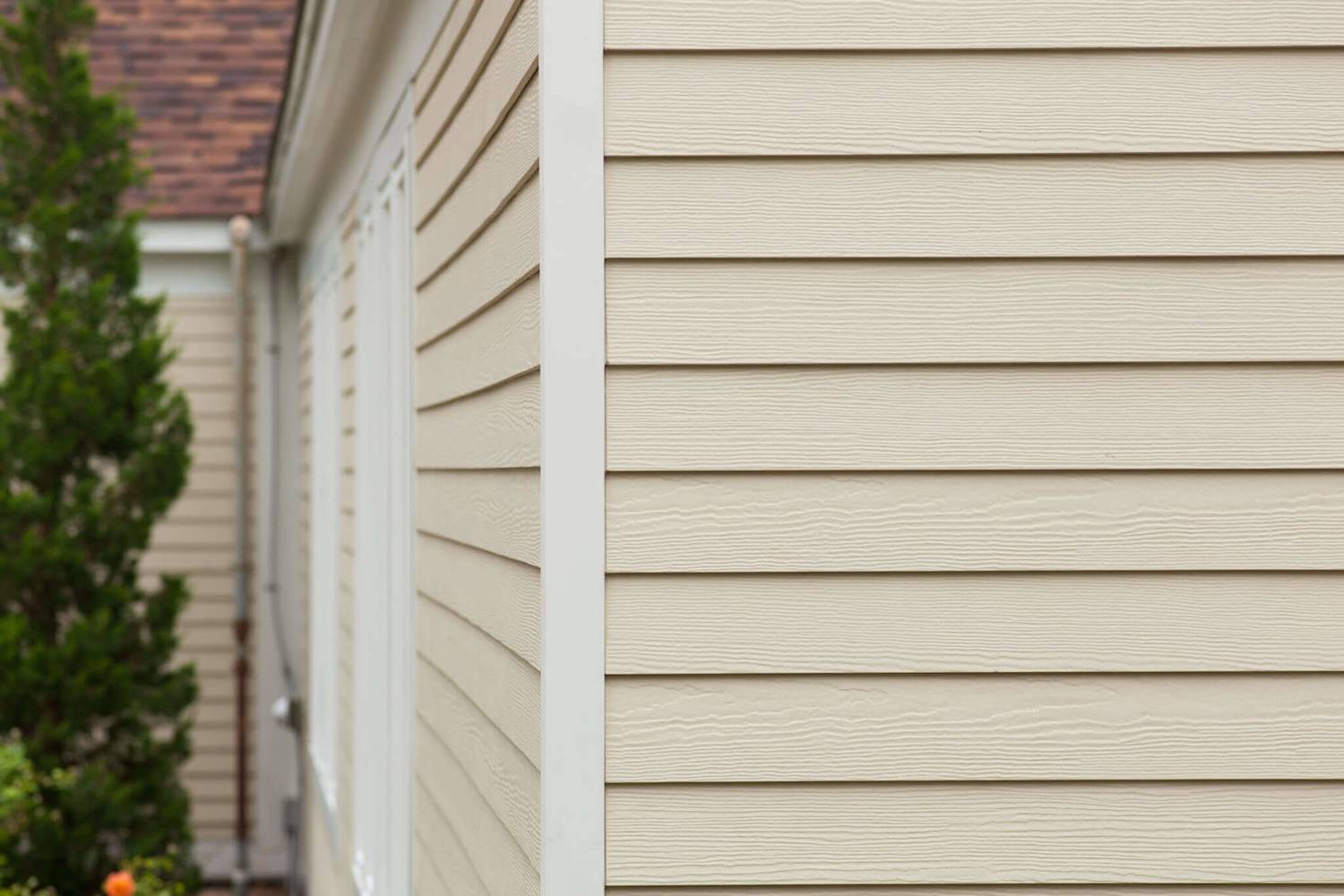
Fiber cement is the chameleon of siding materials-- it mimics wood, stone, or stucco with surprising accuracy. Long lasting and fireproof, it's a favorite amongst those wanting longevity. Nevertheless, its difficult outside isn't unsusceptible to fractures or chips. Repairs often include patching and repainting, however beware: incorrect repairs can result in water infiltration, the arch-nemesis of all siding. Have you ever seen a small fracture masquerade as safe, only to reveal a soaked headache behind the scenes?
4. Metal Siding
Metal siding, whether aluminum or steel, shines with modern appeal and durability. Damages from hail or accidental effects can mar its surface. Rust is another villain hiding if protective finishes wear thin. Prompt repair work, including sealing and repainting, can stop corrosion in its tracks. Neglecting these indications? That resembles leaving a small hole in a ship's hull and hoping it won't sink.
Common Signs Suggesting Siding Repair Work Requirements
- Cracks or splits in panels
- Fading or peeling paint
- Deforming or buckling surfaces
- Soft or rotted locations in wood
- Dents or rust spots on metal
- Loose or missing pieces
Quick Comparison Table of Siding Materials
| Product | Durability | Maintenance | Repair work Intricacy |
|---|---|---|---|
| Vinyl | Moderate | Low | Easy |
| Wood | Variable | High | Moderate to Complex |
| Fiber Cement | High | Moderate | Moderate |
| Metal | High | Moderate | Moderate |
Unraveling one of the most Regular Siding Damage
Have you ever discovered the subtle cracks sneaking along your home's exterior, just to dismiss them as harmless? Those tiny fissures are often the very first whispers of more considerable difficulty. Weather condition's relentless attack-- from hail to scorching sun-- can require siding to warp, split, or even decay.
Secret Perpetrators Behind Siding Wear and Tear
- Wetness Intrusion: Water sneaking behind siding panels can cause rot and mold, specifically if your home's drain isn't optimal.
- UV Radiation: Sunlight can fade colors and deteriorate materials, making them brittle in time.
- Physical Effect: From stray baseballs to tree branches, effects leave dents or holes that jeopardize siding's integrity.
- Insect Problem: Termites and carpenter ants can quietly feast on wooden siding, leaving behind structural vulnerabilities.
Determining Indications Before They Intensify
Envision walking past your home and finding a patch where the paint peels like old parchment-- what's actually happening there? Peeling paint often signifies trapped moisture beneath the surface area, recommending that water has breached the siding's protective barrier.
Another sneaky indicator is warping. When boards twist or bow, it's not just a visual flaw; it indicates extended exposure to wetness or heat. Ignoring this can welcome bugs and accelerate decay.
Specialist Tips to Spot and Prevent Hidden Damage
- Regular Examinations: Stroll your home's boundary every season, looking for loose or broken panels.
- Tap Screening: A basic knock can reveal hollow areas showing rot or bug activity.
- Preserve Proper Drainage: Make sure gutters direct water far from siding to decrease wetness accumulation.
- Ventilation Matters: Proper air flow behind siding prevents condensation that leads to mold and rot.
The Cause And Effect of Neglected Siding Damage
Letting a small fracture stick around is like leaving a door ajar for unwelcome guests. Wetness, bugs, and temperature changes exploit these vulnerabilities, turning small repair work into substantial repair tasks. As soon as paint peels and wood warps, the underlying structure often suffers silently, hidden from plain view but shrieking in requirement of attention.
Essential Tools for Accuracy in Siding Repair Work
When dealing with siding repair, the right tools change a complicated job into a manageable task. Envision trying to pry off damaged siding with a screwdriver-- frustrating, inefficient, and likely to trigger more harm than excellent. Instead, a feline's paw or a specialized siding elimination tool slides underneath the boards with ease, sparing the surrounding product.
Here's a compact toolbox every house owner or specialist ought to have:
- Energy knife: For scoring and trimming vinyl or fiber cement siding with surgical accuracy.
- Hammer and pry bar: Necessary for thoroughly removing nails and separating boards without splintering.
- Caulking weapon: To seal gaps and avoid water seepage, because wetness is the quiet enemy of any siding.
- Determining tape and chalk line: For precise cuts and positioning-- absolutely nothing screams 'amateur' like uneven siding.
- Power drill: Accelerate attaching and can be coupled with a range of bits to take on various siding materials.
- Level: Guarantees your siding sits completely directly, avoiding those subtle angles that become eyesores gradually.
:max_bytes(150000):strip_icc()/SPR-types-of-siding-for-the-home-1824718-hero-fb7028906b4f47d986f0bb223baf496f.jpg)
Products That Make or Break Your Repair work
Selecting the right materials isn't practically matching colors or designs; it has to do with longevity and compatibility. Vinyl siding replacement panels, wood planks, fiber cement boards-- all have unique characteristics that demand regard.
Ever attempted to spot an area with mismatched product? It's like patching a hole in a canvas with paper-- short-lived and aesthetically disconcerting. Here's a quick rundown of what to consider:
| Product Type | Best Use | Key Attributes |
|---|---|---|
| Vinyl | Residential homes with moderate weather direct exposure | Low maintenance, colorfast, but can break in severe cold |
| Wood | Standard or rustic aesthetics | Requires regular sealing; vulnerable to rot and bugs if neglected |
| Fiber Cement | Resilient alternative for high-moisture environments | Fireproof, heavy, needs carbide-tipped tools for cutting |
Expert Tips for Product Handling and Installation
Here's a nugget many ignore: always acclimate fiber cement siding before setup. Let those panels being in the environment where they'll be installed for at least 2 days. This basic step prevents warping and ensures a tight fit.
Likewise, never ever ignore the power of a well-placed bead of high-quality outside caulk. This can avoid the insidious creep of moisture behind the siding-- moisture that welcomes mold, mildew, and eventual structural decay.
One last idea: when removing damaged siding, protect underlying insulation and sheathing. A gentle touch here conserves hours of additional work and money down the line.
Step-by-Step Repair Work Process
Ever observed a stubborn crack sneaking through your siding, whispering tales of water intrusion? It's not simply an eyesore-- it's an open invitation to rot and mold. Neglecting it can turn a small fix into an enormous headache. Let's break down the process of siding repair work with accuracy and care.
1. Examination and Preparation
Don't rush to rip off panels. Start with a meticulous examination. Search for warping, loose nails, and hidden moisture beneath the siding. Utilize a wetness meter if you can-- it's a professional's secret weapon. Preparation implies more than just clearing particles; it involves protecting nearby plants and surface areas from dust and paint.
2. Getting Rid Of Broken Sections
Here's where the finesse can be found in. Pry off damaged sections thoroughly, preventing harm to surrounding pieces. A siding elimination tool or zip tool can make this a breeze, avoiding unnecessary damage. Keep in mind, the objective is to maintain the integrity of the structure underneath.
3. Cutting and Fitting Replacement Panels
Precision is whatever. Measure two times, cut when. When trimming replacement siding, a little bevel the edges to make sure water sheds properly. This little information typically gets neglected however can avoid future water damage. Stagger the seams to imitate the original pattern for a seamless appearance.
4. Securing and Sealing
Use galvanized nails to prevent rust, and never drive nails too tight; permit some wiggle room for expansion. Sealing is your last guardian-- use a high-quality, paintable caulk around edges and joints. This obstructs wetness and keeps insects at bay. Remember, even the smallest gap can become an entrance for damage.
Expert Tips
- Constantly repair siding on a dry, mild day-- humidity can impact paint adhesion and caulk curing.
- Use a level to guarantee each panel lines up completely; misaligned siding is more than an aesthetic defect-- it's a sign of potential structural concerns.
- Keep a replacement panel or 2 on hand for future fast fixes-- nothing beats preparedness.
Typical Mistakes to Avoid
| Mistake | Why It Matters | Pro Recommendations |
|---|---|---|
| Overdriving nails | Restricts siding growth, triggering buckling | Leave about 1/32 inch clearance between nail head and siding |
| Skipping wetness check | Missed water damage causes hidden rot | Usage wetness meter before installation |
| Disregarding flashing | Water leaks behind siding, triggering decay | Inspect and fix flashing throughout siding replacement |
Have you ever wondered why some siding repair work fail within months? The devil depends on the information: incorrect sealing, careless nailing, or ignoring moisture issues. When carried out with know-how, siding check here repair not just restores your home's appeal however fortifies it against the components for years to come.